
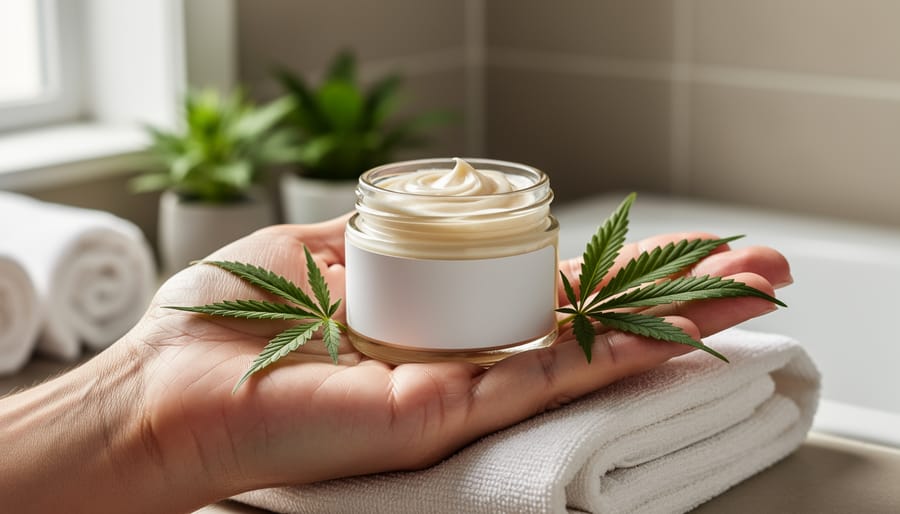
How to Choose CBD Cream for Pain Relief: A Buying Guide
Finding an effective CBD cream for pain relief comes down to three key factors: potency (aim for at least 300mg CBD per container), ingredient quality (look for full-spectrum or broad-spectrum formulas with organic hemp), and absorption enhancers like menthol or arnica that help active compounds penetrate deeply into sore muscles and joints. Most users report noticeable relief within 15 to 45 minutes of application, though chronic pain conditions often require consistent use over several weeks to see lasting results.
The CBD topical market has matured significantly, but that growth has brought both innovation and confusion. You’ll encounter dozens of products claiming miraculous pain relief, yet many fall short due to inadequate CBD concentrations, poor extraction methods, or fillers that dilute effectiveness. Understanding what separates legitimate therapeutic creams from overpriced lotions can save you money and, more importantly, actual discomfort.
If you’ve been managing pain through traditional methods and exploring alternatives, CBD creams offer a compelling middle ground. They deliver targeted relief without the systemic effects of oral supplements or the learning curve of vaping CBD. The topical route appeals especially to those dealing with arthritis, muscle soreness, neuropathy, or localized inflammation who want control over exactly where the relief goes.
This guide walks you through the essential buying factors that matter, compares the main types of CBD pain creams available in 2026, highlights specific products worth considering based on different needs and budgets, and identifies the common purchasing mistakes that leave buyers disappointed. You’ll finish with the knowledge to evaluate any CBD pain cream confidently and match the right product to your specific situation.
What Makes CBD Pain Cream Different from Other CBD Lotions
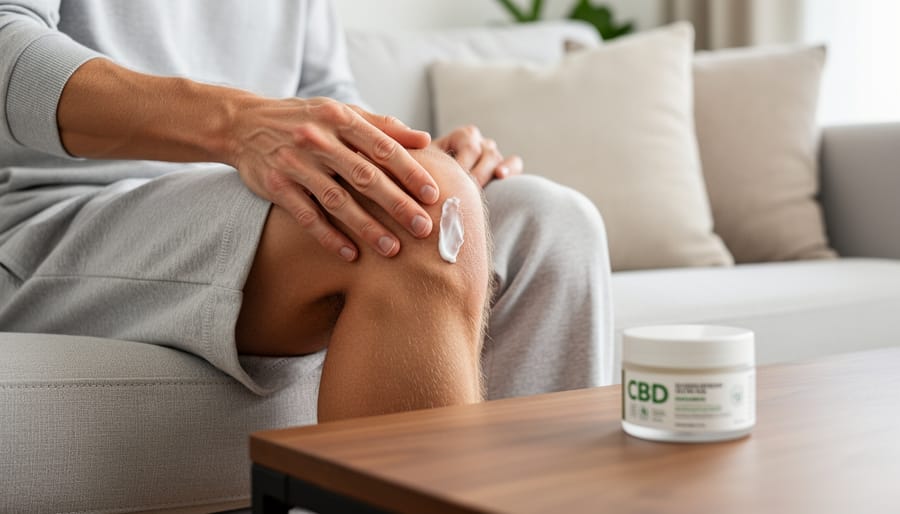
CBD pain cream isn’t just regular lotion with CBD thrown in. These products are engineered specifically for pain management, with formulations that differ substantially from the moisturizing CBD lotions you’ll find marketed for general skincare.
The most obvious difference lies in CBD concentration. Pain relief creams typically contain 500-1500mg of CBD per container, sometimes more for severe conditions. General CBD lotions often contain just 50-300mg, enough for potential anti-inflammatory benefits on the skin surface but insufficient for meaningful pain intervention. Higher concentrations mean more cannabinoid molecules reaching the target area, which matters when you’re trying to influence pain receptors and inflammation pathways beneath the skin.
Absorption technology represents another critical distinction. Pain creams incorporate enhanced delivery systems, liposomal encapsulation, nanoemulsion technology, or specific carrier oil blends, designed to drive CBD deeper into tissue layers where pain originates. Standard lotions focus on epidermal hydration and typically include occlusive ingredients that keep moisture locked in the top skin layers rather than penetrating downward.
The supporting cast of ingredients tells the real story. CBD pain formulas pair the cannabinoid with proven analgesic compounds. Menthol creates an immediate cooling sensation that interrupts pain signals while promoting blood flow. Camphor provides mild numbing effects. Arnica montana, used for centuries in traditional medicine, addresses bruising and inflammation. Capsaicin depletes substance P, a neurotransmitter involved in sending pain messages to the brain. These aren’t cosmetic additives, they’re active ingredients with distinct pain-modulating mechanisms that complement CBD’s effects on the endocannabinoid system.
General CBD lotions, by contrast, emphasize emollients like shea butter, hyaluronic acid, and vitamins that nourish skin but don’t specifically target pain pathways. The formulation philosophy differs at its core: one aims to relieve discomfort in muscles and joints, the other to improve skin texture and appearance.
What to Look for When Buying CBD Pain Cream
CBD Concentration and Potency
Understanding CBD concentration is crucial because it directly affects both the cream’s effectiveness and your cost per use. Most products display total CBD content in milligrams on the label, but that number alone doesn’t tell the full story.
When you see “1000mg CBD” on a container, that’s the total amount in the entire jar or bottle, not per application. To find the actual strength per use, divide the total milligrams by the container size in ounces, then by how much you apply. A 2-ounce jar with 1000mg contains 500mg per ounce. If you use a pea-sized amount (roughly one-eighth of an ounce), you’re getting about 62mg of CBD per application.
For mild, localized discomfort like occasional muscle soreness, concentrations of 3-8mg per recommended application often provide noticeable relief. Moderate pain from conditions like arthritis or recurring back pain typically responds better to 10-20mg per application. Severe or chronic pain may require 20mg or higher. Start at the lower end and increase gradually if needed.
To calculate cost-per-dose, divide the product price by the total milligrams, then multiply by your target dose. A $60 cream with 1500mg costs 4 cents per milligram. If you need 15mg per application, that’s 60 cents per use. Compare this metric across products rather than just looking at sticker price. Sometimes a $90 high-concentration cream delivers better value than a $40 low-potency option.
Full-Spectrum vs. Broad-Spectrum vs. Isolate
When shopping for CBD pain cream, you’ll encounter three types of extract, each offering different benefits for pain relief.
Full-spectrum CBD contains all compounds from the hemp plant, including trace amounts of THC (less than 0.3% legally), other cannabinoids, terpenes, and flavonoids. These compounds work together in what researchers call the “entourage effect,” potentially enhancing pain relief beyond what CBD alone provides. The synergy between compounds may offer stronger anti-inflammatory and analgesic effects, making full-spectrum popular for chronic pain conditions.
Broad-spectrum CBD includes the same range of beneficial compounds as full-spectrum but with THC completely removed. You still get the potential entourage effect from multiple cannabinoids and terpenes working together, without any THC concerns. This option bridges the gap between full-spectrum’s comprehensive benefits and isolate’s THC-free guarantee.
CBD isolate is pure CBD with all other plant compounds stripped away. While it lacks the entourage effect, isolate offers predictable dosing and zero risk of THC showing up on drug tests. Some people also find isolate works well for localized pain when combined with other active ingredients like menthol or arnica.
| CBD Type | THC Content | Key Benefits | Best For |
|---|---|---|---|
| Full-Spectrum | Up to 0.3% | Strongest entourage effect, maximum synergy | Chronic pain, no drug testing concerns |
| Broad-Spectrum | 0% | Entourage benefits without THC | Those avoiding THC but wanting compound synergy |
| Isolate | 0% | Pure CBD, predictable dosing | Drug testing, THC sensitivity, precise control |
For pain relief, full-spectrum often edges ahead due to the entourage effect, but broad-spectrum remains an excellent choice if you need to avoid THC entirely. Isolate works well when you’re primarily relying on other pain-relief ingredients in the cream’s formula. Your choice ultimately depends on whether you face drug testing, how your body responds to different cannabinoids, and your comfort level with trace THC amounts.
Third-Party Testing and Certificates of Analysis
Third-party lab testing is your most reliable safeguard against misleading claims and contaminated products. Unlike manufacturer testing, independent labs have no financial incentive to fudge results, giving you an honest assessment of what’s actually in the jar.
A Certificate of Analysis (COA) should confirm the CBD concentration matches what’s on the label, verify the absence of THC (or that it’s under 0.3% for legal compliance), and screen for heavy metals, pesticides, residual solvents, and microbial contaminants. Look for testing done by ISO-certified labs like ProVerde or SC Labs. The COA should include batch numbers matching your product and be dated within the past year.
Red flags include companies that won’t provide COAs upon request, certificates that only test for potency without screening for contaminants, or results that seem suspiciously perfect across every metric. Some brands display QR codes on packaging that link directly to batch-specific testing, making verification simple.
Don’t assume a “lab-tested” claim means anything without seeing the actual certificate. Reputable companies post COAs openly on their websites or email them immediately when asked.
Additional Pain-Relief Ingredients
When CBD creams include complementary pain-relief ingredients, they often deliver faster or more noticeable results than CBD alone. Menthol topical analgesia creates an immediate cooling sensation that distracts from pain signals and reduces inflammation, making it ideal for acute flare-ups or post-workout soreness. Camphor works similarly but with a warming effect that improves blood flow to tight, stiff muscles.
Arnica extract has been used for centuries to reduce bruising and swelling, particularly helpful for joint pain and minor injuries. Capsaicin, derived from chili peppers, depletes pain-transmitting nerve cells with repeated use, offering relief for chronic conditions like arthritis or neuropathy, though it causes an initial warming sensation that some find intense.
Essential oils like eucalyptus, lavender, or peppermint add aromatherapy benefits while supporting the pain-relief mechanism. These botanicals don’t just mask discomfort; they work through different pathways than CBD, creating a synergistic effect where the combined result exceeds what any single ingredient could achieve alone. Look for products that list these ingredients with their concentrations rather than burying them at the bottom of a long ingredient list.
Absorption and Base Formula Quality
The carrier oils and base ingredients in your CBD pain cream determine how effectively the CBD reaches deeper tissue layers where pain relief happens. A well-formulated base doesn’t just sit on your skin’s surface, it transports CBD through the skin barrier to underlying muscles and joints.
Premium CBD pain creams typically use medium-chain triglyceride (MCT) oil, hemp seed oil, or shea butter as carriers because these penetrate skin efficiently while moisturizing. MCT oil, derived from coconut, carries CBD particularly well due to its molecular structure. Hemp seed oil offers additional omega fatty acids that may reduce inflammation, creating a complementary effect alongside the CBD.
Watch for quality emulsifiers that blend oil and water-based ingredients smoothly. Natural options like lecithin work better than cheap synthetic emulsifiers that can irritate skin or create uneven CBD distribution. The cream should absorb within a few minutes, not leave a greasy residue that sits on the surface.
Check ingredient lists carefully if you have sensitive skin. Avoid products with artificial fragrances, parabens, or sulfates that trigger reactions. Quality brands list every ingredient transparently and often offer fragrance-free versions for those with allergies or sensitivities.
Source and Extraction Method
The hemp’s origin directly affects your cream’s safety and purity. US-grown, organically certified hemp follows strict agricultural standards, avoiding pesticide residues that your skin absorbs. Hemp pulls contaminants from soil, so knowing the source matters.
CO2 extraction preserves cannabinoids without chemical residue, it’s cleaner but pricier. Ethanol extraction works effectively for quality brands using pharmaceutical-grade solvents, though cheaper operations may leave trace contaminants. Check if the company discloses their extraction process; transparency here signals they’re not cutting corners on quality or safety.
Types of CBD Pain Creams: Finding Your Best Match
Cooling Creams with Menthol
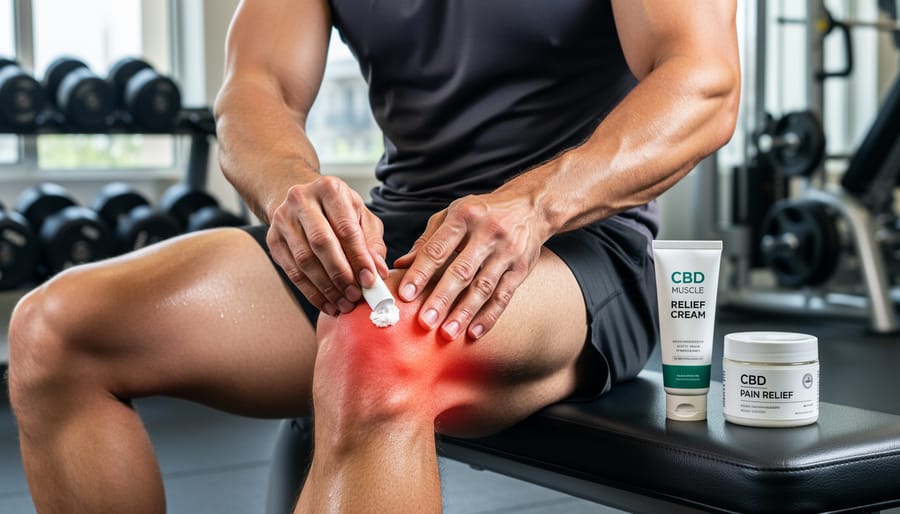
Cooling CBD creams combine cannabidiol with menthol to create an immediate sensation that distracts from pain signals while reducing inflammation. When applied, menthol activates cold-sensitive receptors in your skin, triggering a cooling effect that temporarily overrides pain perception, similar to how an ice pack works, but without the mess or discomfort of actual cold.
These formulas excel for acute injuries like sprains, post-workout soreness, or flare-ups of chronic conditions. The instant cooling provides psychological relief while the CBD works on deeper inflammation over the following 20-30 minutes. They’re particularly effective for joint pain, sports injuries, and sudden inflammation episodes.
Choose cooling creams when you need immediate relief or prefer a refreshing sensation. Avoid them on broken skin or if you dislike strong menthol smells. They’re ideal for daytime use since the invigorating effect won’t interfere with activity.
Warming Creams with Capsaicin
Warming CBD creams work by combining capsaicin, the compound that makes chili peppers hot, with cannabidiol to create a dual-action pain relief effect. Capsaicin and TRPV1 pain research shows it temporarily desensitizes pain receptors by depleting substance P, making these formulas particularly effective for deep muscle soreness, arthritis, and stubborn chronic pain that doesn’t respond well to cooling treatments.
You’ll feel warmth building over several minutes as capsaicin activates, increasing blood flow to stiff joints and tight muscles. This makes warming creams ideal for morning arthritis stiffness or post-workout recovery when muscles need loosening.
Important precautions: always wash hands thoroughly after application, avoid contact with eyes and mucous membranes, and never apply to broken skin. Start with a small test area, as capsaicin can feel intense if you’re sensitive. Some people find the heat uncomfortable initially, but it typically subsides within 20 minutes as the desensitization effect kicks in.
Neutral Base Creams
Neutral base CBD creams skip the menthol chill or capsaicin heat, delivering pure cannabinoid relief without sensory distractions. These formulas work well if you have sensitive skin that reacts to cooling or warming agents, or if you’re layering the cream under clothing and don’t want tingling sensations throughout the day.
The absence of added stimulants lets you focus on CBD’s anti-inflammatory properties alone. Many users find neutral creams ideal for facial application, areas with broken skin, or nighttime use when strong scents and sensations disrupt sleep. They’re also easier to combine with other topical treatments without ingredient conflicts.
Specialized Formulas for Specific Pain Types
CBD manufacturers have developed targeted formulas that address specific pain conditions by combining CBD with complementary active ingredients. Arthritis creams typically blend CBD with turmeric, boswellia, and glucosamine to tackle joint inflammation and stiffness. For neuropathic pain, you’ll find formulas enriched with alpha-lipoic acid, B-vitamins, and lower concentrations of capsaicin that address nerve discomfort without overwhelming sensitivity. Sports recovery creams lean heavily on anti-inflammatory botanicals like arnica, ginger, and willow bark alongside higher CBD concentrations (1000-1500mg per container) to handle post-exercise muscle soreness and training strain.
These specialized options work better than generic pain creams when your discomfort has a clear cause. Someone managing rheumatoid arthritis will benefit more from an anti-inflammatory blend than a simple menthol cream, while an athlete dealing with delayed onset muscle soreness needs different support than someone with diabetic neuropathy. Check ingredient lists carefully and match the supporting compounds to your specific pain type for maximum effectiveness.
Roll-Ons, Sticks, and Alternative Formats
While traditional CBD creams remain popular, alternative formats offer unique advantages worth considering for pain relief. Roll-on applicators deliver precise, mess-free application directly to small, hard-to-reach areas like wrists or ankles, making them ideal for travel or quick touch-ups throughout the day. CBD sticks resemble deodorant containers and provide solid, portable options that won’t leak in gym bags or purses. These alternative formats each bring distinct benefits:
- Roll-ons: No-touch application, perfect for targeting small joints and tender areas without getting product on your hands
- Sticks: Solid formulas that travel well, stay put during activity, and offer controlled dosing without measuring
- Balms in tins: Concentrated formulas with thicker consistency for sustained release on larger muscle groups
- Spray formats: Fast-drying options for immediate absorption, though typically lower CBD concentration per application
The best format depends on your lifestyle and where you need relief. Athletes often prefer sticks for pre-workout application, while those with arthritis in their hands appreciate roll-ons that eliminate the need to rub product in manually. Don’t overlook these alternatives if traditional creams feel inconvenient for your specific situation.
Top CBD Pain Cream Recommendations for 2026
After testing dozens of CBD pain creams and consulting with users who’ve found real relief, I’ve narrowed down a selection that consistently delivers results across different pain types and budgets. These recommendations reflect products with verified third-party testing, transparent sourcing, and formulations backed by positive user experiences in 2026.
| Product | CBD Concentration | Type | Key Features | Best For |
|---|---|---|---|---|
| CBDistillery Relief + Recover | 500mg per 2oz | Cooling | Menthol, arnica, organic hemp | Post-workout soreness, acute inflammation |
| Lazarus Naturals High Potency | 3000mg per 4oz | Full-spectrum | Extra strength, cost-effective | Chronic pain, arthritis |
| Charlotte’s Web Hemp Infused Balm | 450mg per 1.5oz | Broad-spectrum | THC-free, lavender oil | Daily maintenance, sensitive users |
| Joy Organics Sports Cream | 1000mg per 4oz | Warming | Capsaicin, camphor, USDA organic | Deep muscle pain, stiffness |
The CBDistillery Relief + Recover stands out for athletes and active individuals dealing with exercise-related pain. Its cooling menthol provides immediate comfort while the CBD works on deeper inflammation. Users appreciate the fast absorption and non-greasy texture that won’t interfere with daily activities.
For those managing persistent joint pain or arthritis, Lazarus Naturals offers exceptional value without sacrificing quality. The 3000mg concentration means you’re getting substantial CBD per application, and their full-spectrum extract includes beneficial cannabinoids that enhance pain relief through the entourage effect. One user I spoke with, a former construction worker with chronic knee pain, found this product finally allowed him to reduce his reliance on over-the-counter pain pills after six weeks of consistent use.
Charlotte’s Web appeals to anyone concerned about THC content, whether due to drug testing or personal preference. The broad-spectrum formula delivers reliable results without psychoactive compounds, and the added lavender creates a calming application experience that many find helps with pain-related stress.
Joy Organics targets stubborn, deep-seated muscle pain with its warming formula. The capsaicin creates therapeutic heat that penetrates effectively, making it ideal for chronic back pain or stubborn tension. Apply this one before bed rather than before activities, as the warming sensation intensifies over 15-20 minutes.
Common Mistakes to Avoid When Shopping for CBD Pain Cream
Shopping for CBD pain cream can feel overwhelming, especially with so many products making bold claims about relief. Here are the most common pitfalls that lead people to waste money on ineffective products.
Getting Dazzled by Marketing Claims
Eye-catching packaging and dramatic before-and-after testimonials sell products, but they don’t guarantee results. Phrases like “maximum strength” or “clinical formula” mean nothing without verifiable CBD concentration and third-party testing to back them up. Many brands invest heavily in slick marketing while skimping on actual product quality. Look past the packaging and focus on measurable factors like milligrams of CBD per container and whether the company publishes its certificates of analysis.
Ignoring CBD Concentration
A large jar doesn’t automatically mean more pain relief. Some shoppers grab the biggest container without checking how much CBD it actually contains. A 4-ounce jar with 250mg of CBD is far less potent than a 2-ounce jar with 1000mg. Calculate the concentration per application rather than per container, and remember that effective pain relief typically requires at least 5-10mg of CBD per application for localized discomfort.
Shopping on Price Alone
The cheapest option rarely delivers results. Quality CBD extraction, organic hemp, and rigorous testing cost money, and reputable companies price their products accordingly. Rock-bottom prices often signal low-grade ingredients, minimal CBD content, or no independent verification. That said, the most expensive cream isn’t automatically the best either. Evaluate cost per milligram of CBD alongside quality factors rather than judging by total price.
Expecting Immediate Miracle Results
CBD pain cream isn’t a prescription painkiller. Some people expect instant, complete pain elimination and give up after one application. While cooling or warming ingredients may provide immediate sensory relief, CBD’s anti-inflammatory effects typically build over several days of consistent use. Give a quality product at least a week of regular application before deciding it doesn’t work for you.
How to Use CBD Pain Cream Effectively
Getting the most from your CBD pain cream isn’t just about buying a quality product, application technique matters too. Here’s how to use these topicals effectively.
Start with clean, dry skin. Wash the area gently and pat it dry before applying. This removes oils, sweat, and debris that can block absorption. Use a pea-sized amount for small areas like a wrist or elbow, or a nickel-sized amount for larger regions like your lower back or thigh. You can always add more, but starting conservatively helps you gauge what you actually need.
Massage the cream in thoroughly using circular motions for 60-90 seconds. This friction generates slight warmth that aids penetration and helps the CBD reach deeper tissue layers. Don’t just rub it in quickly and move on, the massage itself contributes to relief by increasing blood flow.
Apply two to three times daily for best results. Morning application sets you up for the day, while evening use supports recovery during sleep. For chronic conditions, consistency beats sporadic heavy dosing. Many users see initial effects within 15-30 minutes, but full benefits often build over several days of regular use.
Give any new product at least a week of consistent application before deciding it doesn’t work. CBD’s anti-inflammatory effects are cumulative. If you see no improvement after two weeks at the recommended dose, try increasing the amount slightly or switching to a higher concentration formula.
Combining CBD cream with other approaches often works better than relying on it alone. Gentle stretching, heat or ice therapy, and proper rest complement topical CBD nicely. Just avoid applying the cream immediately after a hot shower or bath, as open pores may cause faster absorption but shorter-lasting relief.
Frequently Asked Questions About CBD Pain Cream
Is CBD pain cream legal to buy and use?
Yes, CBD products derived from hemp containing less than 0.3% THC are federally legal in the United States under the 2018 Farm Bill. However, state laws vary, so check your local regulations before purchasing.
Will using CBD pain cream make me fail a drug test?
Pure CBD isolate creams should not trigger a positive drug test. However, full-spectrum products contain trace amounts of THC that could accumulate with heavy use and potentially cause a positive result on sensitive tests.
What are the most common side effects of CBD pain cream?
Topical CBD is generally well-tolerated with minimal side effects. Some users experience mild skin irritation, redness, or itching at the application site, especially with products containing menthol or capsaicin.
Can CBD pain cream interact with my medications?
While topical CBD has low systemic absorption, it can still interact with certain medications, particularly blood thinners. Always consult your doctor before adding CBD cream to your routine if you take prescription medications.
How long does CBD pain cream stay effective after opening?
Most CBD creams remain potent for 12-18 months when stored properly in a cool, dark place with the lid tightly closed. Check the expiration date on your product and watch for changes in color, smell, or texture that indicate degradation.
Do I need a prescription to buy CBD pain cream?
No prescription is required for hemp-derived CBD products. You can purchase CBD pain creams online or at health stores, dispensaries, and pharmacies without a doctor’s authorization.
Beyond these common questions, many people wonder whether CBD cream can be used alongside other pain management approaches. The good news is that topical CBD generally complements other therapies well. You can typically continue using oral pain medications, physical therapy, heat or ice treatments, and other modalities while incorporating CBD cream into your routine. The localized nature of topical application means you’re adding another tool to your pain management toolkit rather than replacing proven methods.
Another frequent concern centers on whether you can use too much CBD cream. Since topical products work locally rather than entering your bloodstream in significant amounts, overdose isn’t a realistic risk. That said, more isn’t always better. Applying excessive amounts won’t necessarily increase effectiveness and just wastes product. Start with the recommended dose and increase only if needed after giving the initial amount time to work.
People also ask whether they need to cycle on and off CBD cream to maintain effectiveness. Unlike some pain medications that require breaks to prevent tolerance, you can use CBD topicals consistently without losing efficacy. Regular application often works better than sporadic use because it maintains steady localized CBD levels in the tissue where you need relief.
What to Look For
– Instructions: ~2,800 tokens
– Section context: ~100 tokens
– Response estimate: ~250 tokens
– Total: ~3,150 tokens (well within 200K budget)
—
When you’re shopping for a CBD pain cream, five factors separate effective products from marketing gimmicks.
Start with CBD concentration, you need at least 300mg per container for noticeable pain relief, though 600-1000mg works better for chronic issues. Check the milligrams per ounce, not just the total bottle size. A 1000mg bottle might sound impressive, but if it’s eight ounces, you’re only getting 125mg per ounce.
Third-party lab testing isn’t optional. Every legitimate brand provides certificates of analysis showing exactly what’s in the product. No COA? Walk away. These tests confirm CBD content, verify THC is below legal limits, and screen for pesticides and heavy metals.
The type of CBD extract matters for effectiveness. Full-spectrum products contain multiple cannabinoids that work together for stronger pain relief through what researchers call the entourage effect. Broad-spectrum offers similar benefits without THC, while isolate delivers pure CBD alone.
Look at what else is in the formula. Quality pain creams combine CBD with proven ingredients like menthol for cooling relief or arnica for inflammation. The base matters too, look for organic carrier oils like coconut or shea butter that help CBD penetrate deeper.
Finally, verify the hemp source. US-grown organic hemp means stricter agricultural standards and cleaner products.
Main Options Compared
When choosing a CBD pain cream, you’re really deciding between three core extract types and two formulation approaches.
Extract type shapes effectiveness. Full-spectrum creams contain all hemp compounds including trace THC (under 0.3%), which research suggests work together for stronger pain relief through the entourage effect. Broad-spectrum offers similar benefits minus THC, ideal if you’re concerned about drug testing. CBD isolate creams use pure CBD only, making them predictable and generally cheaper, though potentially less effective for severe pain.
Formulation determines sensation and speed. Cooling creams with menthol deliver immediate relief through counter-irritation, perfect for acute inflammation or post-workout soreness. Warming formulas with capsaicin penetrate deeper, helping chronic pain like arthritis but requiring careful application. Neutral base creams work subtly without temperature effects, suiting sensitive skin or all-day wear.
Most quality brands offer variations across both dimensions. A full-spectrum cooling cream hits hard and fast. A broad-spectrum warming formula provides sustained relief without THC concerns. Your pain type, skin sensitivity, and whether you face drug testing should guide which combination you try first. Price generally reflects extract quality more than formulation style.
Choosing the right CBD pain cream comes down to understanding what you’re putting on your skin and why it matters. Prioritize products with clear third-party testing, transparent CBD concentration information, and quality ingredients that support your specific pain relief needs. Whether you need cooling menthol for acute inflammation or a warming formula for chronic muscle tension, the right product exists for your situation.
Don’t get discouraged if your first choice doesn’t deliver the results you’re hoping for. Pain management is deeply personal, and what works brilliantly for someone else might not be your perfect match. Give each product a fair trial of at least two weeks with consistent application before moving on to try another formulation or concentration level.
You’re taking a proactive step toward natural pain management, and that deserves recognition. Armed with the knowledge to evaluate CBD creams properly, you can confidently navigate the market and find a product that genuinely supports your wellness goals. Start with reputable brands that meet the quality standards we’ve discussed, pay attention to how your body responds, and adjust your approach as needed. Your path to effective pain relief is worth the effort.
Leave a Reply