Are THCp Vape Cartridges and Disposables Safe? What You Need to Know
The single most important safety check when using THCp vape cartridges or disposables is confirming the product carries independent lab results showing it’s free from heavy metals, pesticides, and vitamin E acetate. If your current vape doesn’t have accessible third-party testing, that’s your red flag.
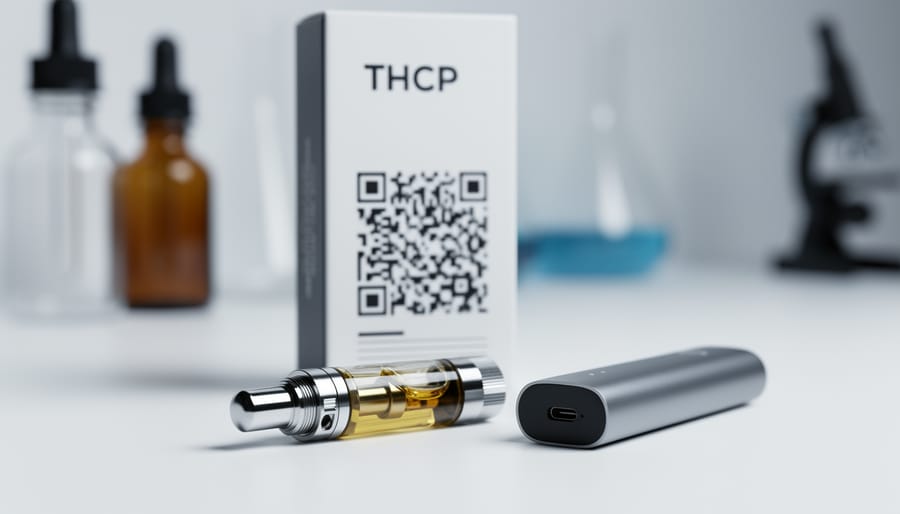
Start by inspecting the packaging right now. Legitimate best THCP vapes include a QR code or batch number linking to a certificate of analysis from an ISO-accredited laboratory. No lab report means no guarantee that what you’re inhaling matches what’s on the label, and with THCp being up to 33 times more potent than delta-9 THC, the stakes are higher.
This article walks you through the full troubleshooting process, from recognizing immediate warning signs like chest tightness or unusual throat irritation to understanding why certain manufacturing shortcuts create serious health risks. You’ll learn how to verify authenticity before purchase, spot the difference between safe cartridges and potentially dangerous disposables, and know exactly when to stop using a product.
Sarah Mitchell, a former smoker who switched to THCp vapes last year, discovered her disposable had failed third-party testing only after experiencing persistent coughing. “I thought all vapes were basically the same,” she told us. “Learning to read lab reports changed everything about how I approach cannabinoid products.”
Whether you’ve already purchased a THCp vape or you’re researching before your first buy, the verification steps ahead take less than five minutes but could prevent weeks of respiratory distress. We’ll also cover prevention strategies that keep you safely enjoying THCp’s benefits without compromising your transition away from traditional smoking.
Recognizing Signs of Unsafe THCp Vape Products
Physical Symptoms to Watch For
Your body sends clear warning signals when something’s wrong with a THCp vape product. Recognizing these symptoms early can prevent serious health complications.
Respiratory distress tops the list of concerning reactions. If you experience shortness of breath, wheezing, persistent coughing, or a tight feeling in your chest within minutes to hours after vaping, stop using the product immediately. These symptoms may indicate contaminated oils or harmful additives that irritate lung tissue.
Neurological symptoms warrant equal attention. Severe headaches that don’t respond to typical relief methods, intense dizziness that impairs your balance, or disorientation beyond normal THCp effects signal potential contamination with heavy metals or toxic cutting agents.
Watch for unusual cardiovascular responses like rapid heart rate that feels different from typical cannabis effects, chest pain, or pressure. While THCp’s potency can cause stronger psychoactive effects than other cannabinoids, legitimate products shouldn’t trigger chest discomfort or breathing difficulties.
Nausea and vomiting that persist beyond initial overconsumption, especially when paired with respiratory symptoms, suggest product contamination rather than simple overconsumption. Trust your instincts, if symptoms feel abnormal or concerning, seek medical attention and bring the product packaging with you.
Product Warning Signs
Beyond how you feel after vaping, the product itself can telegraph problems before you even take a hit. Trust your senses, they’re often the first line of defense.
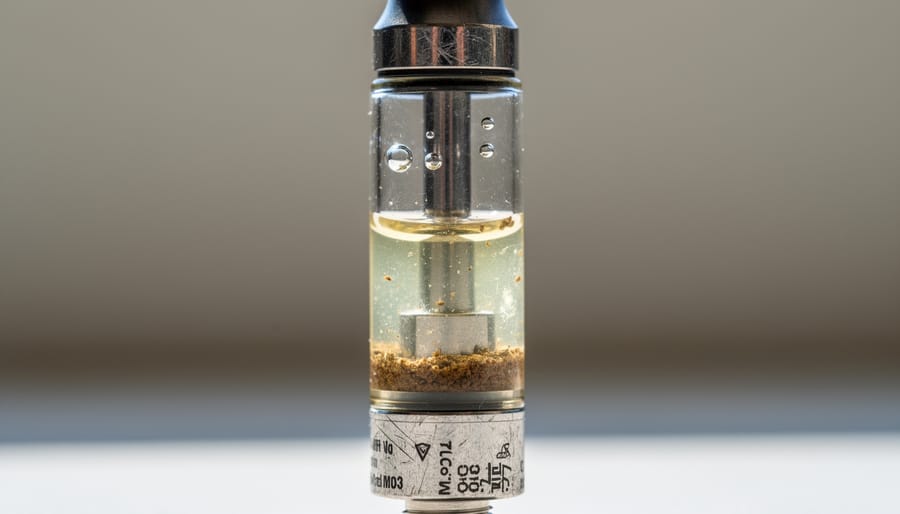
Color and clarity issues are telltale signs. Quality THCp oil should appear amber to light gold with consistent transparency. If you notice murky, unusually dark, or discolored liquid, that’s a warning. Separation, where the oil splits into layers, indicates poor formulation or expired ingredients. While slight viscosity differences are normal, oil that looks watery or has floating particles deserves suspicion.
Taste and smell reveal plenty. THCp vapes should have a clean cannabis flavor, possibly with added terpenes for taste. A burnt, plasticky, or chemical taste means something’s wrong with the oil or hardware. Harsh throat hits beyond what’s typical for high-potency products, or a solvent-like smell, suggest contamination or cutting agents.
Hardware condition matters enormously. Inspect for cracked or damaged cartridges that might leak or introduce contaminants. Check that mouthpieces fit securely, loose components indicate poor manufacturing. For disposables, verify the battery charges properly and the airflow feels smooth. Any exposed wiring, corroded connections, or devices that get unusually hot during use should be immediately discarded.
Packaging integrity shouldn’t be overlooked. Broken seals, missing tamper-evident features, or damaged boxes mean the product may have been compromised or counterfeit. If something looks off, it probably is.
What Makes THCp Vapes Unsafe: Common Causes
Contamination and Additives
THCp vape products can become contaminated at multiple points in the supply chain, creating serious health risks for users. Understanding how these contaminants enter products helps you recognize why thorough testing matters.
Cutting Agents and Fillers
Manufacturers sometimes add thinning agents to make THCp oil flow better in cartridges. Vitamin E acetate gained notoriety during the 2019 vaping crisis, causing severe lung injuries when inhaled. Propylene glycol and vegetable glycerin are safer but can still produce harmful byproducts when heated to high temperatures. Budget brands may use mystery additives to stretch expensive THCp extract, introducing unknown chemicals into your lungs.
Pesticide Contamination
Hemp plants absorb pesticides from soil and foliar sprays during cultivation. When manufacturers extract cannabinoids from contaminated plants, these chemicals concentrate in the final oil. Common culprits include myclobutanil, which converts to hydrogen cyanide when heated, and other fungicides that weren’t designed for inhalation. Outdoor-grown hemp faces higher pesticide exposure than controlled indoor grows.
Heavy Metal Exposure
Hemp naturally pulls heavy metals like lead, cadmium, and mercury from soil, a trait useful for phytoremediation but dangerous for consumers. Cheap vape hardware compounds the problem: low-quality heating coils can leach additional metals directly into vapor. Studies show some cartridges release tin, chromium, and nickel at levels exceeding safety thresholds. These metals accumulate in your body over time, potentially causing neurological damage and organ toxicity.
Unregulated Manufacturing
The THCp vape market operates largely outside comprehensive regulatory frameworks. Unlike prescription medications or FDA-approved products, these vapes often reach consumers without mandatory safety protocols or standardized testing requirements. Many manufacturers face no legal obligation to verify their products for purity, potency, or contaminants before sale.
Third-party lab testing remains voluntary in most markets. When brands skip this step, you have no independent verification of what’s actually in your cartridge. Some companies provide certificates of analysis that only test for cannabinoid content while ignoring pesticides, heavy metals, or residual solvents. Others display test results from different batches than the product you’re purchasing, rendering the data meaningless for your specific cartridge.
THCp concentration presents another problem. Without regulatory standards, some products contain far less THCp than advertised, while others pack dangerously high concentrations. This inconsistency makes proper dosing nearly impossible and increases your risk of overwhelming psychoactive effects.
The absence of manufacturing standards means production facilities vary wildly in cleanliness and quality control. What works for one batch may fail in the next, with no accountability system to catch problems before products reach your hands.
Hardware and Battery Concerns
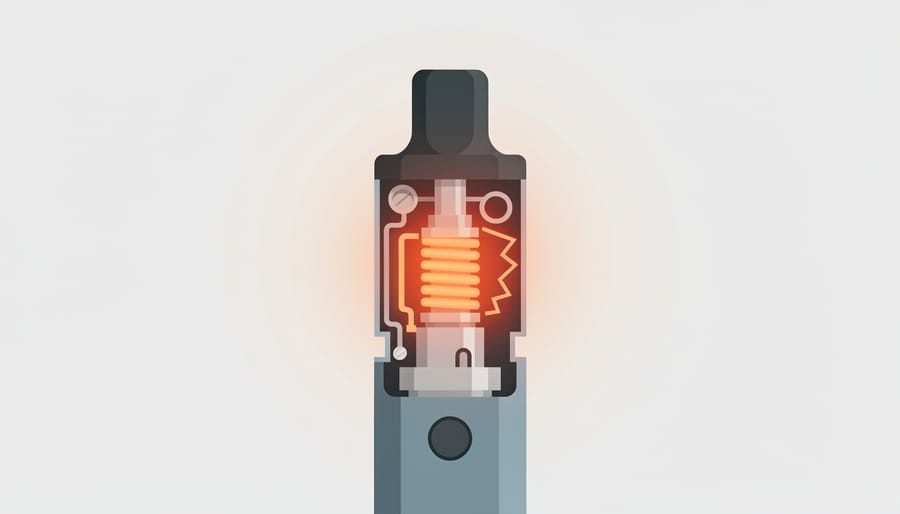
The hardware in THCp vapes poses distinct safety risks that many users overlook. Low-quality batteries can overheat, leak, or even explode during charging or use. Cheap lithium-ion cells lack proper voltage regulation, leading to inconsistent heating that may combust the oil rather than vaporize it, releasing harmful byproducts.
Heating elements matter just as much as the battery itself. Inferior coils made with unknown metals can leach heavy metals like lead or cadmium directly into the vapor you inhale. Some disposable devices use cotton wicks treated with chemicals that off-gas when heated. Counterfeit cartridges often mimic legitimate brands but substitute zinc alloy threading or plastic components that weren’t designed to withstand repeated heating cycles, degrading and contaminating your vapor.
Disposable THCp vapes present additional concerns because you can’t inspect or replace their internal components. A battery that’s failing will continue heating unevenly until the device is empty, potentially exposing you to thermal degradation compounds throughout its lifespan. Prioritizing battery safety means choosing devices from manufacturers who provide detailed hardware specifications and use certified electronics rather than unmarked components.
How to Verify THCp Vape Safety Before Purchase
Reading Certificates of Analysis (COAs)
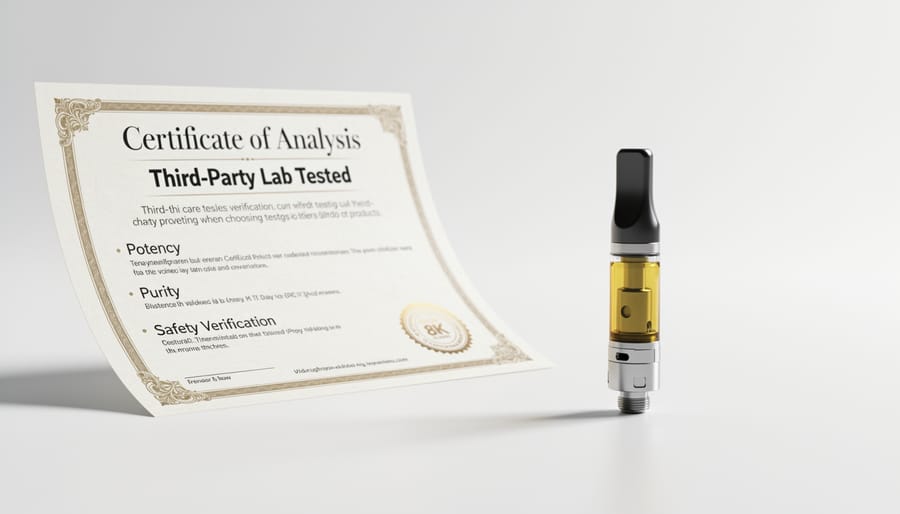
A Certificate of Analysis is your most reliable safety tool when evaluating THCp vapes. This lab report, issued by an independent testing facility, breaks down exactly what’s in the product you’re considering. But not all COAs are legitimate, and knowing what to examine can save you from unsafe products.
Start by verifying the lab itself. The COA should display the testing facility’s name, license number, and contact information. Legitimate labs are accredited and have verifiable credentials you can check online. If the report lacks this information or the lab doesn’t appear in state registries, that’s a red flag.
Next, examine the cannabinoid profile section. It should list THCp concentration as a percentage or milligrams per unit, along with other cannabinoids present. The numbers should align with what the product label claims. Dramatic discrepancies mean the manufacturer isn’t accurately representing potency.
The contaminant screening section is equally critical. Look for test results showing the product passed screens for pesticides, heavy metals like lead and arsenic, residual solvents, and microbial contaminants. These should be clearly marked as “pass” or show levels below safety thresholds. A comprehensive COA tests for multiple categories, not just cannabinoid content.
Watch for suspicious signs of fake COAs. These include generic formatting without proper lab branding, missing batch numbers that should match your product, outdated test dates, or overly perfect results with no trace amounts detected. Legitimate reports include small imperfections and realistic ranges.
Choosing Reputable Sources
The safest way to buy THCp vapes is from licensed dispensaries operating under state cannabis regulations. Licensed retailers must follow testing requirements, maintain proper storage conditions, and can provide documentation proving their products passed safety screenings. If you’re in a state with legal cannabis markets, prioritize these regulated sources over convenience stores, gas stations, or unlicensed shops.
Online shopping requires extra caution. Legitimate vendors display clear contact information, detailed product descriptions with cannabinoid percentages, and readily accessible lab results for every batch. They’ll list manufacturing dates, expiration dates, and specific strain information. Be wary of sites with vague product details, no physical address, prices far below market average, or missing COAs. These are common questions to ask before making any purchase, whether online or in person.
Brand transparency matters significantly. Reputable manufacturers openly share their extraction methods, source their hemp from known farms, and maintain consistent communication with customers. They typically have professional websites with educational content, responsive customer service, and active social media presence. Companies hiding behind generic branding, providing no company history, or refusing to answer basic safety questions should raise immediate concerns about product integrity.
Evaluating Product Quality Indicators
Professional packaging serves as your first quality checkpoint. Legitimate THCp products feature clean, detailed labels with clear branding, correct spelling, and proper grammar, signs that a manufacturer invested in quality control. Look for legible batch numbers and manufacturing dates printed directly on the packaging, not hand-written or applied with low-quality stickers.
Ingredient lists should specify the exact cannabinoids present, terpene profiles if added, and carrier oils used. Vague terms like “natural flavors” or “botanical extracts” without specifics suggest transparency issues. Reputable brands include contact information, website URLs, and customer service details, showing they stand behind their products.
Missing or inconsistent information, such as THCp percentage that differs between the box and cartridge, or packaging that looks mass-produced with generic designs, indicates corner-cutting that often extends to safety standards.
Comparing THCp Vape Safety: Cartridges vs. Disposables
Both THCp cartridges and disposables offer distinct safety profiles that can influence your choice. Understanding these differences helps you weigh convenience against control when selecting your preferred format.
Cartridges require a separate battery, which adds initial complexity but provides important advantages. You can inspect the oil quality before attaching it to your device, checking for color, consistency, and any separation. The ability to switch cartridges means you’re not locked into a single product if something seems off. However, this flexibility introduces potential risks, using an incompatible or poor-quality battery can overheat the cartridge, potentially degrading the THCp or releasing harmful compounds from the hardware. Cross-contamination becomes possible if you reuse batteries without proper cleaning between cartridges.
Disposables eliminate the battery compatibility concern since everything comes pre-assembled. This integration means the manufacturer controls the entire heating system, which can be either reassuring or concerning depending on the brand’s quality standards. You get what you get, no ability to examine the oil separately or adjust voltage settings. The sealed nature protects against user error and contamination during handling, but it also means you’re trusting the manufacturer completely. When disposables fail, you lose the entire unit rather than just swapping out a cartridge.
| Product Type | Safety Advantages | Potential Risks | Best Practices |
|---|---|---|---|
| Cartridges | Visual oil inspection, battery control, replaceable if defective | Battery incompatibility, improper voltage, cross-contamination risk | Match voltage to cartridge specs, clean battery contacts, store separately |
| Disposables | Factory-sealed system, no compatibility issues, protected from handling contamination | Unknown battery quality, no oil inspection, total loss if defective | Buy from verified sources only, check for intact seals, dispose at first sign of malfunction |
The transparency factor often tilts toward cartridges. Reputable cartridge manufacturers typically provide batch-specific COAs that you can verify before purchase, and the glass or clear plastic housing lets you see exactly what you’re inhaling. Disposables often hide the oil chamber inside opaque plastic, making visual assessment impossible.
From a cost-safety perspective, the higher upfront investment in a quality battery for cartridges can actually improve long-term safety. You control one critical variable, the heating element, by choosing a reliable device. With disposables, every purchase introduces a new, untested battery into the equation. If you’re committed to THCp vaping, the cartridge route with a trusted battery gives you more consistent control over your safety factors.
Safe Usage Practices for THCp Vapes
Dosage and Frequency Guidelines
THCp is significantly more potent than delta-9 THC, some research suggests up to 33 times stronger at CB1 receptors, which means traditional dosing wisdom doesn’t apply. If you’re accustomed to regular THC vapes, start with just one or two small puffs and wait at least 15-20 minutes before considering more. Effects can intensify gradually, and what feels mild initially may become overwhelming if you continue inhaling.
Check your product’s THCp concentration carefully. Cartridges and disposables vary widely, from 5% to over 90% THCp, and higher percentages require even more restraint. A single three-second draw from a 50% concentrate delivers far more cannabinoid than multiple hits from a 10% product. If you’re new to cannabinoids generally, reviewing basics like vaping CBD 101 can help you understand inhalation techniques and onset times before moving to something as powerful as THCp.
Avoid daily use, especially at the beginning. Frequent exposure to high-potency cannabinoids can rapidly increase tolerance and dependency risk. Space sessions at least 48 hours apart until you understand your personal threshold, and never vape THCp when you need to drive or perform tasks requiring full alertness.
Storage and Maintenance
Store your THCp vape products in a cool, dark place away from direct sunlight and heat sources. Heat degrades cannabinoids and can cause the oil to thin or leak, while UV light breaks down THCp over time, reducing potency and potentially creating harmful byproducts. A drawer, cabinet, or storage case away from windows and heating vents works well. Never leave cartridges or disposables in hot cars, where temperatures can spike dangerously high.
Keep cartridges upright when storing them to prevent leaking and maintain proper wick saturation. Extreme cold can thicken the oil and make it harder to vaporize, so avoid freezing temperatures as well.
For reusable vape batteries, wipe the connection points monthly with a cotton swab slightly dampened with isopropyl alcohol to remove oil residue and buildup that can interfere with heating. Let it dry completely before reattaching a cartridge. Charge batteries before they’re completely dead to extend their lifespan, and unplug them once fully charged.
Recognize when it’s time to discard a cartridge. If the oil has turned significantly darker, smells off, or the vapor tastes burnt even with proper battery settings, stop using it. THCp products don’t last forever. Most cartridges maintain quality for three to six months when stored properly, but degradation accelerates once opened. Disposables typically have shorter shelf lives. When in doubt, trust your senses and replace questionable products rather than risk inhaling degraded material.
Expert Perspectives on THCp Vape Safety
Medical professionals and cannabis researchers emphasize that THCp vaping safety remains under-studied compared to established cannabinoids. Dr. Sarah Chen, a pulmonologist specializing in vaping-related injuries, cautions that THCp’s extreme potency, up to 33 times stronger than delta-9 THC, creates unique risks. “We’re seeing people who think they’re experienced cannabis users underestimate THCp,” she explains. “The concentration overwhelms their tolerance, leading to panic attacks, severe anxiety, and in some cases, respiratory distress from overconsumption.”
Toxicologists highlight contamination as their primary concern with THCp products. James Martinez, a forensic toxicologist who has analyzed seized vape products, notes that unregulated THCp cartridges frequently contain dangerous cutting agents. His lab has identified vitamin E acetate, pesticide residues, and heavy metals in street-market samples. “The THCp itself isn’t necessarily the problem,” Martinez states. “It’s everything manufacturers add to stretch their profits or mask poor extraction quality.”
Cannabis industry experts who prioritize quality control acknowledge both the pros and cons of THCp vaping. Michael Thompson, CEO of a licensed extraction company, argues that properly manufactured THCp vapes can be safe when third-party tested and used responsibly. “The technology exists to produce clean, consistent products,” he says. “The issue is market incentives that reward cutting corners over consumer safety.”
Harm reduction specialists recommend approaching THCp with extreme caution until more research emerges. They stress starting with the lowest possible dose, purchasing only from verified sources with transparent testing, and never mixing THCp with alcohol or other substances. Dr. Lisa Rodriguez, who studies cannabinoid safety, advises users experiencing adverse effects to stop immediately and seek medical attention if symptoms persist beyond a few hours.
Frequently Asked Questions About THCp Vape Safety
Is THCp legal where I live?
THCp legality varies by location and typically follows hemp-derived cannabinoid laws in states where Delta-8 and similar compounds are permitted. However, some states explicitly ban all psychoactive hemp derivatives regardless of source, so check your local regulations before purchasing.
How does THCp vape safety compare to Delta-9 THC vapes?
The safety concerns are similar, contamination, additives, and hardware quality matter equally for both. The key difference is THCp’s significantly higher potency, which increases overdose risk and requires more careful dosing, especially for users accustomed to standard THC products.
Can you overdose on THCp vapes?
While cannabis overdoses are not typically fatal, THCp’s extreme potency makes it easier to consume too much, leading to severe anxiety, paranoia, rapid heartbeat, and disorientation. Start with one small puff and wait 15-20 minutes before considering more.
How long does THCp stay in your system?
THCp can be detected in urine tests for up to 30 days with regular use, similar to Delta-9 THC, since both are stored in fat cells. Most workplace drug tests do not distinguish between different THC variants, so THCp use may result in positive test results.
What should I do if I have a bad reaction to a THCp vape?
Stop using the product immediately, move to a calm environment, stay hydrated, and focus on slow breathing. If symptoms include severe chest pain, difficulty breathing, or persistent distress lasting beyond a few hours, seek medical attention and bring the product packaging with you.
Beyond these common questions, many users wonder whether pre-existing health conditions make THCp vaping riskier. If you have respiratory issues like asthma or COPD, cardiovascular problems, or anxiety disorders, THCp’s potency may amplify these concerns. The vaping delivery method itself poses additional risks for lung health, regardless of what substance you’re inhaling. Anyone with compromised immune systems should be especially cautious about contaminated products, as pesticides and heavy metals present greater dangers to those with existing vulnerabilities.
Another frequent concern centers on mixing THCp with other substances. Combining THCp vapes with alcohol significantly increases impairment and can worsen side effects like dizziness and nausea. Mixing with prescription medications, particularly those affecting the central nervous system, may lead to unpredictable interactions. When in doubt, treat THCp like any potent psychoactive substance and avoid combining it with other drugs until you understand how your body responds.
Finally, questions about THCp concentration accuracy reflect legitimate worries. Because many THCp products come from unregulated sources, the actual cannabinoid content may differ dramatically from what’s printed on the label. A cartridge claiming 95% THCp might contain far less, leaving you disappointed, or dangerously more, putting you at risk of overconsumption. This unpredictability is exactly why third-party lab testing matters so much, and why your safest bet remains sticking with verifiable, tested products from transparent manufacturers.
Key Takeaways for Safe THCp Vaping
Your safety when vaping THCp comes down to vigilance at every stage. Before you buy, confirm the product has a legitimate certificate of analysis showing clean results for pesticides, heavy metals, and solvents. Stick with licensed dispensaries or reputable online vendors that provide batch numbers and transparent sourcing information.
Once you have a product, respect THCp’s potency by starting with one or two small puffs and waiting at least an hour before taking more. Pay attention to how your body responds. Any chest tightness, persistent coughing, dizziness, or unusual reactions should prompt you to stop use immediately and consider switching products.
Inspect your cartridge or disposable regularly. Discoloration, separation, metallic tastes, or leaking hardware are signs something’s wrong. Store your vapes away from direct heat and sunlight to preserve quality, and dispose of any product that’s past its prime or looks suspicious.
Remember that not all THCp products are created equal. A suspiciously cheap option often means corners were cut somewhere in manufacturing or testing. Your respiratory health isn’t worth the savings. When in doubt, choose the vendor with verified lab results, professional packaging, and a track record of transparency over the bargain deal with no accountability.
Your health isn’t something to gamble with, and choosing THCp vape products shouldn’t feel like rolling the dice. The safety concerns surrounding these potent cannabinoid products are real, but they’re also manageable when you approach them with the right knowledge and mindset.
Everything comes down to informed decision-making. Yes, that gray-market disposable might cost half as much, and yes, skipping the COA check saves you five minutes. But those shortcuts can cost you in ways that far outweigh the convenience or savings. Respiratory problems, contamination exposure, and unpredictable effects aren’t worth the trade-off.
You now have the tools to protect yourself. You know what warning signs to watch for in products and in your own body. You understand why third-party testing matters and how to spot the difference between legitimate vendors and questionable operations. You’ve learned that cartridges and disposables each come with their own safety considerations, and that proper usage practices make a real difference.
The THCp market will continue evolving, and regulations may eventually catch up. Until then, you’re your own best advocate. Trust your instincts when something feels off about a product or vendor. Prioritize transparency and testing over flashy marketing. Start low with dosing, especially given THCp’s exceptional potency.
Take control of your vaping choices with confidence, armed with the facts that keep you safe.